Keep Ford work trucks and vans ready with diagnostics, repairs, routine maintenance, and genuine Ford parts.
Lou Fusz Ford supports personal and commercial Ford vehicles, including Ford Super Duty trucks, Transit cargo vans, and other work trucks. The dealership offers a commercial and fleet focus backed by the established Lou Fusz Automotive Network.
To request a commercial truck service appointment, provide your vehicle identification number (VIN), internal unit number, and preferred contact method.
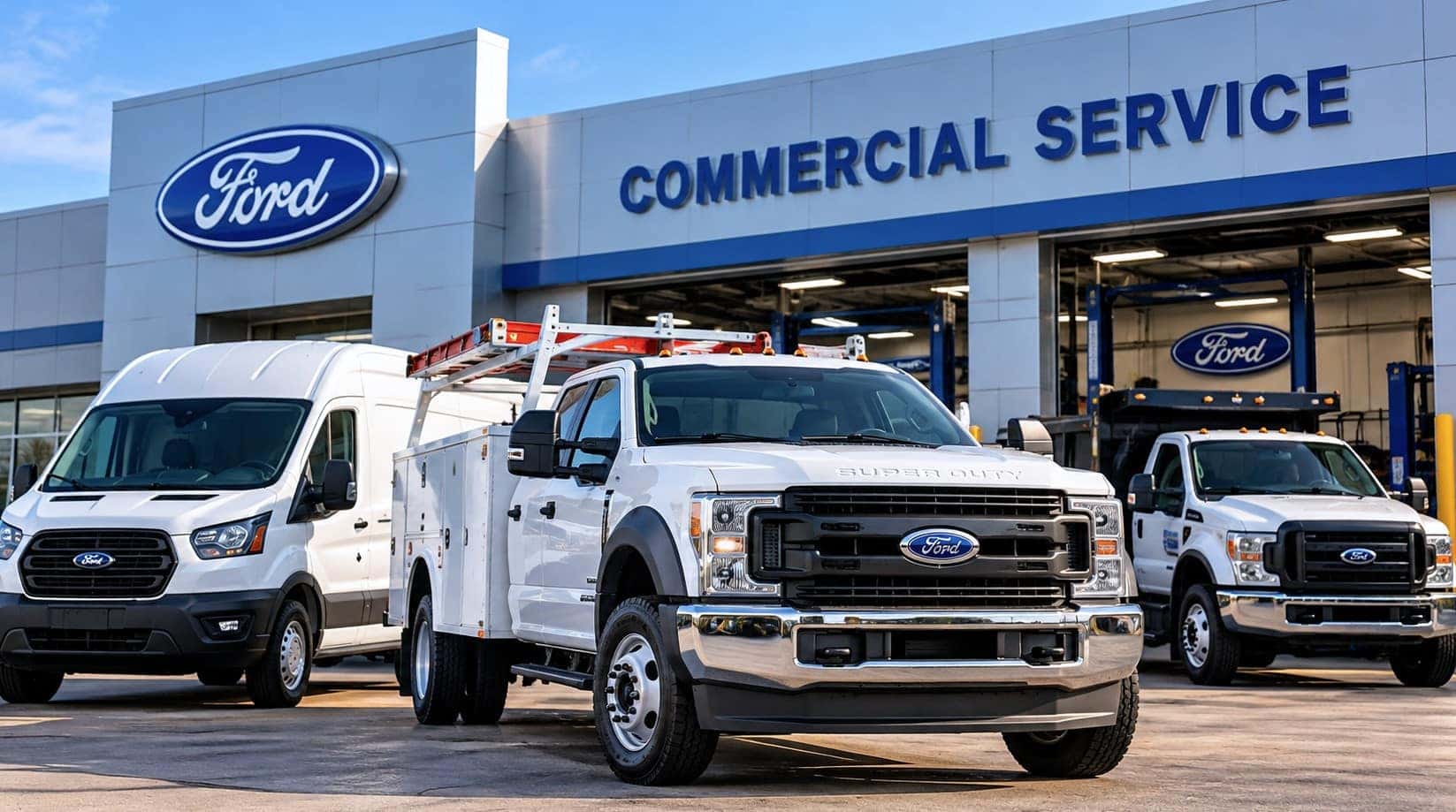
Contractors, small businesses, fleet managers, and other companies depend on vehicles that are ready when work begins. Lou Fusz Ford supports that goal with Ford diagnostics, repairs, maintenance, and genuine Ford parts.
For a commercial fleet, keeping each truck or van maintained can help businesses plan around work demands and identify service needs before they affect daily operations.
A proactive maintenance approach can help businesses improve vehicle uptime by identifying service needs before they lead to unexpected interruptions. Discuss recurring maintenance, inspections, and operating demands with the service team to support more predictable fleet availability.
A Commercial Vehicle Center is a dealership resource focused on the needs of businesses operating work vehicles. Depending on the vehicle and request, customers can discuss commercial vehicle sales, service, maintenance, and upfit considerations in one conversation with the dealership team.
Commercial Vehicle Centers are designed to support businesses that shop, service, and upfit Class 1-7 vehicles. Ask the dealership team which services, equipment, and scheduling options apply to your Ford truck, van, fleet, or upfit configuration.
When scheduling service, explain how the vehicle works each day. Include details about payload, towing, trailer use, idle time, routes, operating environment, repeated starts, and auxiliary equipment. These details help the service team understand the vehicle’s duty cycle and plan an appropriate diagnostic or maintenance conversation.
Available support includes:
Mobile Service: Some light maintenance or selected service tasks may be candidates for on-site work, depending on the vehicle, location, work area, parts, and requested task. Contact the service team to confirm whether Mobile Service is appropriate for your specific need.
Diagnostics for warning messages, performance concerns, and electrical issues
Repairs based on diagnostic findings and customer authorization
Routine maintenance for personal and commercial Ford vehicles
24/7 roadside support: Roadside assistance may be available for qualifying commercial vehicles and situations, depending on the vehicle, location, program terms, and current availability. Contact Lou Fusz Ford or the applicable Ford commercial support channel to confirm eligibility and the appropriate assistance for a disabled work vehicle.
Businesses with mixed fleets may also ask whether the dealership can provide service for any commercial make or model. Availability, technician qualifications, parts, equipment, and the specific repair need can affect eligibility, so confirm support for each non-Ford vehicle when scheduling.
Genuine Ford parts for Ford service and maintenance needs
Businesses with larger work vehicles or installed equipment can ask whether the location has large service bays for big vehicles & upfits. Bay size and access requirements may vary by vehicle dimensions, body configuration, and requested work, so confirm suitability when scheduling.
Depending on the vehicle and requested work, service may be handled by Ford-trained technicians familiar with Ford commercial vehicles and their systems. Confirm technician experience and service eligibility for your specific model, upfit, and repair need when scheduling.
Specialty technician training can help service professionals build familiarity with the systems and configurations found in commercial trucks and vans. The type of training and technician experience relevant to a vehicle may depend on its model, powertrain, upfit, and repair concern, so confirm service eligibility and qualifications with the dealership when scheduling.
Depending on the vehicle, service need, and current dealership resources, certified technicians may be available to evaluate Ford commercial vehicles and their systems. Confirm technician qualifications and service eligibility for your specific model, upfit, and repair need when scheduling.
Share the exact wording of warning messages or provide photos when possible. Describe concerns such as vibration, leaks, overheating, shifting problems, cold-start trouble, charging issues, or other electrical symptoms.
Record the warning-message wording exactly as displayed, or provide a photo when possible, especially if the message is intermittent or difficult to recall.
Photos of warning messages can help the service team understand the concern before the truck arrives, especially when the message is intermittent or difficult to recall accurately.
Also note whether the concern appears during a cold start, after the engine warms up, or at a particular operating temperature.
For starting, charging and electrical concerns, report the battery’s service history, starting behavior, charging warnings, and any equipment added to the vehicle. Include details about auxiliary electrical loads or aftermarket wiring so the service team can evaluate the truck’s complete electrical system.
When a concern may involve the electrical system, note symptoms such as dim or flickering lights, repeated battery drain, charging warnings, intermittent starting, or accessories that stop working. Also identify added equipment or wiring that may affect the vehicle’s electrical system so the service team can distinguish chassis-related concerns from body or auxiliary equipment issues.
Check engine light diagnosis involves evaluating the warning light, retrieving relevant diagnostic information, and investigating related symptoms or system faults. Share whether the light is steady or flashing, when it appeared, and whether the truck has changes in performance, fuel use, starting, or drivability so the service team can determine the appropriate next steps.
Note whether the problem is constant, intermittent, related to vehicle load, or limited to certain routes or conditions. Accurate information helps the team establish a diagnostic scope before repairs are authorized.
A vehicle inspection is a review of the truck or van’s condition to identify visible wear, maintenance needs, or potential concerns. It is different from diagnosing an active symptom and does not by itself authorize repairs, so confirm the requested inspection scope and discuss any recommendations before work proceeds.
A multi-point vehicle inspection is a structured review of several vehicle systems and components, which may include fluid levels, brakes, tires, lights, belts, hoses, and other visible maintenance items. The inspection can help identify potential service needs for discussion, but its scope, findings, and any recommended repairs should be confirmed with the service team before work is authorized.
A diagnosis of an active concern focuses on investigating a symptom that is currently affecting the vehicle, such as a warning light, unusual noise, performance change, leak, or starting problem. This differs from scheduled maintenance or an inspection recommendation, so identify which type of visit you are requesting and mention any symptoms that require attention.
Cooling, transmission and driveline concerns can require different diagnostic steps. Describe temperature changes, coolant or fluid leaks, delayed or harsh shifting, unusual noises, or vibration, and note whether the symptom changes with towing, payload, speed, or operating temperature.
Describe shifting concerns, including delayed engagement, harsh or inconsistent shifts, slipping, or changes that occur under load, while towing, or as operating temperature changes.
These details help the service team evaluate the vehicle’s systems and determine whether the concern may involve more than one component or an installed body system before repair work is authorized.
When scheduling service, identify whether the concern appears related to the vehicle’s powertrain, including the engine, transmission, or driveline. Provide the VIN, model year, engine, mileage, and available operating-hour information so the service team can identify the complete vehicle and plan the appropriate diagnostic conversation.
Service considerations can vary according to operating conditions. A heavily loaded truck, frequently idling van, or towing vehicle may have different needs from a lightly used unit.
Engine and fluid maintenance should follow the correct specifications and service schedule for the Ford engine and its application. Frequent short trips, extended idling, heavy loads, towing, and other demanding duty-cycle conditions may affect how maintenance needs are evaluated, so share these details with the service team.
Fluid check and replenishing may be included in routine maintenance, depending on the vehicle, service request, and manufacturer requirements. This can involve reviewing fluid levels and condition for systems such as engine oil, coolant, transmission, brake, power steering, and windshield washer fluid, then discussing any needed service with the team.
An oil-change request should include the Ford model, engine type, mileage, and operating conditions. The service team can use that information to discuss the appropriate oil and filter specifications and whether the vehicle’s duty cycle calls for additional maintenance attention.
Routine maintenance provides an opportunity to address wear and follow inspection recommendations. Genuine Ford parts are also available through the dealership’s Ford service and maintenance support. Discuss the vehicle’s model year, mileage, and duty cycle with the team.
Discuss the vehicle’s model year, mileage, and duty cycle with the team so maintenance follows the applicable model-year guidance while accounting for towing, idle time, repeated starts, and operating environment.
Eligible fleets may also ask about competitive bulk parts pricing for eligible fleets when purchasing parts for multiple commercial vehicles. Pricing, eligibility, order quantities, and availability can vary, so confirm current terms with the dealership team.
Tire-service requests may include inspections for tread wear, uneven wear, punctures, air-pressure concerns, vibration, pulling, or damage related to payload and towing. When requesting tire service, provide the tire size if known, describe when the symptom occurs, and mention the vehicle’s typical load, routes, and operating conditions so the service team can plan the appropriate inspection.
Describe any tire or braking wear concerns, including uneven tread wear, reduced stopping performance, vibration, or changes that appear while carrying a load or towing.
For diesel-powered Ford work vehicles, diesel-service discussions may include engine oil and filter maintenance, fuel-system concerns, emissions-system warnings, glow-plug or starting issues, and other symptoms identified during inspection or diagnosis. Share warning messages, hard starting, reduced performance, smoke, unusual exhaust behavior, or changes in fuel use so the service team can determine the appropriate next steps.
Brake-service requests can include inspections for pad or shoe wear, rotor or drum condition, brake-fluid concerns, warning lights, pulling, vibration, or changes in stopping performance. Describe the symptom, when it occurs, and whether the truck is towing or carrying a load so the service team can plan the appropriate diagnostic conversation.
Provide the VIN, model year, mileage, maintenance records, internal unit number, and business authorization contact. Identify who is responsible for payment and who may approve diagnostic work or repairs.
Keep the driver and the person paying for the work aligned on the vehicle’s symptoms, requested service, and whether additional diagnostic or repair authorization is needed before work proceeds.
Also mention average loading, operating weight, towing frequency, upfit coverage, auxiliary electrical loads, and equipment such as racks, service bodies, lifts, or cranes when relevant.
Include dump bodies, often called dumps, along with racks, service bodies, lifts, cranes, and other upfit equipment when relevant.
Also identify dump bodies or other dump upfits when scheduling service, since their equipment, access points, and operating demands may affect inspection access and appointment planning.
Also identify any installed boxes, including cargo or service boxes, when scheduling. Their dimensions, access points, storage layout, and attached equipment may affect inspection access and help the service team determine whether the appointment requires additional planning.
For concerns involving an installed body or auxiliary equipment, provide the body manufacturer’s name and any available equipment documentation. Chassis service does not necessarily cover every body manufacturer system, so identifying the equipment in advance can help clarify the appropriate inspection and repair process.
For concerns involving a crane, lift, dump body, or other upfit hydraulic system, provide the body manufacturer, equipment model, and any available service documentation. Chassis service may not automatically include every hydraulic system, so identifying the affected equipment helps clarify the appropriate inspection and repair process.
Report severe braking problems, major leaks, low-oil-pressure warnings, overheating, or other unsafe concerns when requesting service. Do not continue driving a vehicle you believe is unsafe.
When reporting an unsafe vehicle, explain the symptoms and whether it can move under its own power so the service team can help determine the appropriate transport arrangement. Do not continue driving a vehicle you believe is unsafe.
If the vehicle is disabled or unsafe to drive, describe whether it can move under its own power and whether it is carrying a load, towing a trailer, or fitted with body equipment that could affect recovery. These details may require planning beyond a standard service appointment, so share them when contacting the service team.
Completion timing can depend on diagnostic findings, parts availability, and repair authorization.
Lou Fusz Ford provides commercial service support from its Chesterfield location for businesses throughout the greater St. Louis metropolitan area.
If several fleet vehicles need service, discuss appointment capacity, staggered visits, and transportation arrangement needs before sending multiple units. Submit separate concern details, contact information, internal unit numbers, and preferred scheduling windows for each vehicle.
Businesses may also ask about fast turnaround times when scheduling commercial truck service. Actual completion timing can vary based on diagnostic findings, parts availability, repair authorization, vehicle condition, and current service capacity, so discuss the expected timeline before work begins.
Businesses can also ask about rentals and loaners when a truck or van will be unavailable during service. Availability, vehicle suitability, eligibility, and any applicable terms can vary, so confirm transportation options with the service team when scheduling.
Priority maintenance and service scheduling refers to planning recurring inspections, maintenance, and repair visits around a fleet’s operating demands and available service capacity. Businesses can discuss maintenance intervals, vehicle downtime, staggered appointments, and urgent concerns with the service team to determine an appropriate scheduling approach for each unit.
Ask whether Pickup & Delivery may be available for an eligible operational vehicle when arranging service. Availability can depend on the vehicle, distance, dealer criteria, current resources, and whether the vehicle can be safely moved, so confirm the details with the service team before scheduling.
Businesses operating 15 or more fleet vehicles may want to ask whether a Ford fleet identification number, or FIN Code, is associated with their account before scheduling service. If you do not already have one, confirm the current registration process with the dealership or Ford commercial service representative, and provide the code when arranging visits if applicable.
Lou Fusz Ford provides scheduled maintenance, diagnostics, repairs, and genuine Ford parts for Ford work trucks and fleet vehicles. Contact the service department to confirm support for your model and concern.
Call Lou Fusz Ford or use the appointment form. Include the vehicle’s model, mileage, service need, and preferred scheduling window.
Provide the year, model, mileage, VIN, internal unit number, warning-message details, and a clear description of the concern or requested maintenance. State whether the vehicle appears safe to drive.
Contact Lou Fusz Ford for commercial truck diagnostics, repairs, routine maintenance, or genuine Ford parts. Call the dealership or submit the appointment form with complete vehicle and operating information so the team can prepare for your service conversation.
Battery condition is especially important for commercial vehicles with repeated starts, extended idle time, or auxiliary electrical equipment. Testing the battery and charging system during service can help identify issues before they interrupt a workday.
Transmission concerns deserve prompt attention, particularly delayed engagement, slipping, harsh shifting, unusual noises, or fluid leaks. Share when the symptom occurs and whether it changes with towing, payload, temperature, or stop-and-go driving.
Include concerns involving body systems, such as liftgates, service bodies, doors, lighting, racks, cranes, or other upfit equipment. Identifying these systems in advance helps the service team understand the complete work vehicle and coordinate appropriate inspection or repair planning.
If a vehicle is non-operational or unsafe to drive, ask the service team about the appropriate transport arrangement rather than assuming standard Pickup & Delivery or loaner options apply. Availability, distance, dealer criteria, vehicle condition, and current resources can affect the available transportation solution.
Additional answers for commercial truck owners, contractors, and fleet managers.
Ford F-250 owners can contact Lou Fusz Ford to discuss maintenance, diagnostics, and repair needs. Provide the model year, engine, VIN, mileage, and concern when scheduling.
Yes, contact the commercial service team about your F-350 and describe its use, towing demands, installed equipment, and required maintenance or repair.
Ask the service department to confirm bay capacity, vehicle eligibility, equipment access, and service availability for your exact F-450 or F-550 configuration.
Ford Transit operators can request maintenance and diagnostics. Include the roof height, wheelbase, engine, and any installed shelving or equipment when contacting the team.
Contact the service team with the Transit model, seating configuration, VIN, and requested work to confirm service eligibility and scheduling.
Businesses can discuss staggered appointments and capacity for several vehicles. Supply a separate VIN, unit number, concern, and authorization contact for each vehicle.
Preventive maintenance includes scheduled inspections, fluid and filter services, and addressing wear according to the vehicle’s Ford maintenance guidance and operating conditions.
Use the maintenance guidance and oil-life information applicable to the model and engine. Extended idling, towing, and demanding use can affect service needs.
Extended idling may increase engine operating time without adding much mileage. Tell the service team about idle hours when reviewing maintenance needs.
Yes. If available, engine and idle hours provide useful context for commercial vehicles with significant stationary operating time.
Towing can increase braking demands and heat. Share trailer weights, routes, and symptoms so brake inspections can be planned appropriately.
Reduce driving and seek prompt professional guidance. A flashing light may indicate a serious fault; follow the owner’s manual and avoid continued operation if unsafe.
A steady light indicates a detected issue requiring diagnosis. Record any related symptoms and arrange an evaluation rather than assuming a specific repair.
Describe the added equipment and wiring and ask which chassis and upfit electrical systems the dealership can evaluate. Some body-equipment repairs may require a specialist.
Share when it happens, battery age, ambient temperature, warning messages, and whether auxiliary equipment was running.
Ask the service team about battery and charging-system diagnostics, especially if your work vehicle has repeated starts or added electrical loads.
Pull over safely, stop driving if overheating is indicated, and follow the owner’s manual. Contact the service team for appropriate next steps and transport guidance.
Contact Lou Fusz Ford about cooling-system concerns such as leaks, temperature warnings, or loss of coolant. The required diagnostic scope depends on the symptoms.
Delayed engagement, slipping, harsh shifts, fluid leaks, or unusual noises warrant evaluation. Explain whether symptoms occur under load or at certain temperatures.
Report speed, load, road conditions, and when vibration occurs. The service team can discuss the appropriate diagnostic appointment.
Ask about maintenance and diagnostics for your specific Ford diesel engine, including oil and filter service and engine-related warning messages.
Provide the exact dashboard message, vehicle year, engine, mileage, driving conditions, and any change in performance.
Discuss the vehicle’s duty cycle, warning messages, and maintenance history with the service team. Short trips may influence operating and maintenance considerations.
Lou Fusz Ford provides genuine Ford parts support. Parts availability and fit depend on the vehicle identification and repair requirements.
Provide the VIN, model year, engine, and details of any upfit. Those details help the parts team check compatibility.
Yes. Ask about fleet parts ordering, availability, and whether any volume pricing or eligibility programs apply.
Payload, towing, route conditions, and tire specifications can affect wear. Request an inspection for uneven tread wear, damage, vibration, or pressure concerns.
Describe the wear pattern and operating conditions. The team can discuss inspection needs and whether additional diagnostics are appropriate.
Yes. Pulling during braking can indicate a safety issue. Avoid driving if braking is compromised and arrange professional evaluation.
Several brake and wheel-related conditions can cause vibration. A technician needs to inspect the vehicle before identifying the cause.
Yes. Brake condition should be checked according to applicable maintenance guidance and sooner if noise, vibration, reduced stopping ability, or other symptoms occur.
It is a structured check of selected vehicle systems and visible maintenance items. Confirm the inspection scope and review any findings before authorizing repairs.
Discuss preferred appointment windows, route demands, and vehicle availability with the service team. Scheduling depends on current capacity.
Track maintenance, address warnings promptly, document recurring symptoms, and plan inspections around vehicle duty cycles. No maintenance plan can eliminate every breakdown.
Ask the dealership which approval and payment procedures are supported. Provide a reliable contact who can authorize diagnostic and repair work.
Maintain VIN, unit number, mileage, operating hours, maintenance dates, completed repairs, parts, and recurring concerns.
Providing the VIN is strongly recommended because it helps identify the exact vehicle configuration, although the team can explain its booking requirements.
It is a business-assigned identifier used to track a particular vehicle. Include it alongside the VIN when coordinating fleet service.
Ask the team about your specific service body, vehicle dimensions, and requested work. Access and equipment can affect service eligibility.
Identify the liftgate manufacturer and describe whether the issue involves the Ford chassis or the added equipment. Confirm the appropriate service provider.
Contact the dealership before arrival with dimensions, body manufacturer, and service request so the team can confirm access and capabilities.
Explain the equipment, electrical or hydraulic connections, and symptoms. The dealership can clarify which systems it can service.
Ask whether your requested work and location qualify for Mobile Service. Eligibility varies by task, vehicle, resources, and location.
Ask the service team about eligibility and current availability. Vehicle condition, distance, and scheduling can affect the options.
No. Ask about current rental or loaner availability, suitability, eligibility, and terms before scheduling.
Move to a safe location when possible, follow applicable safety procedures, and contact the appropriate roadside support provider. Confirm coverage and towing requirements.
Contact the service team first to discuss vehicle size, load, trailer, and recovery requirements and to confirm the appropriate arrival arrangement.
Ask the dealership about the specific make, model, repair, and equipment. Non-Ford service availability is not guaranteed.
Lou Fusz Ford serves businesses in the greater St. Louis area. Contact the dealership to discuss your location and service arrangements.
Gather the VIN, model year, mileage, unit number, service history, symptom details, upfit information, and an authorized business contact before reaching out.


